
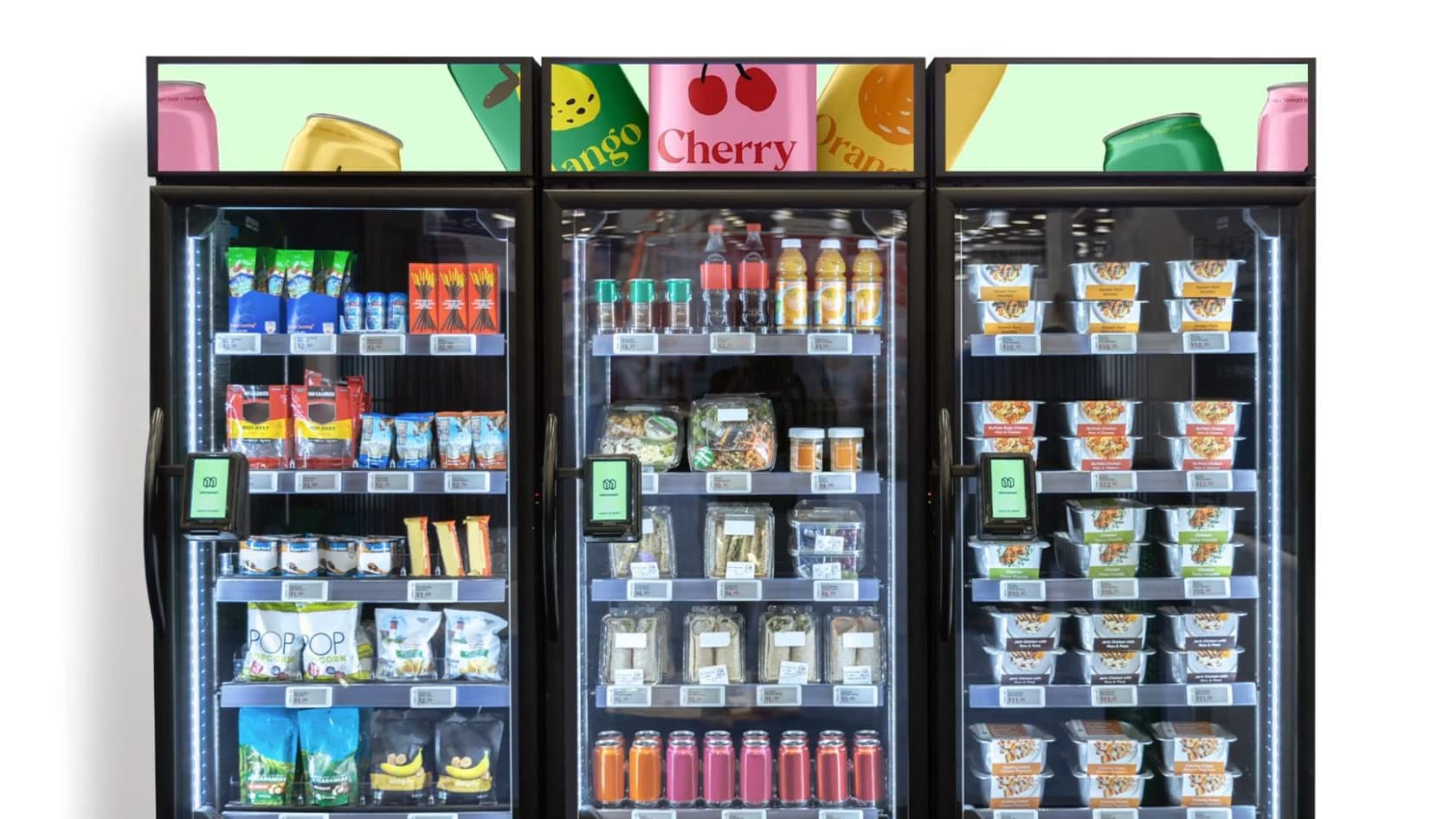
A Fooda alternative for San Antonio Class A office buildings
Local restaurant meals in the building, with no staff on site, no minimums and no daily coordination. Workplace dining, the modern take on vending.
Who this page is for
Raptor Vending is a San Antonio smart vending and micro market company. Our Smart Fridge™ (an AI smart cooler) and Smart Cooker™ (hot food vending) cabinets serve grab-and-go gourmet meals from Southerleigh Hospitality Group, hot, 24/7, with no staff on site, installed as part of the building rather than wheeled in and out. If you manage a Class A office building in San Antonio and you are weighing one food service option against another, this page is the comparison written out.
It is a narrow comparison on purpose. Fooda and Raptor both put restaurant food in front of tenants without a kitchen, and a property manager looking at one will usually look at the other. They go about it differently enough that the right answer depends on the building rather than on which is better in the abstract.
What follows is what Fooda says about itself, what the two have in common, where the day-to-day operation differs, and the case for staying with Fooda. Every Fooda fact on this page is taken from fooda.com and linked, and the pages were read on October 26, 2026.
What Fooda is
Fooda runs a lunch programme built on local restaurants. A different one comes in each day: in Fooda's own words, "One day it's a neighborhood taco spot, the next it's a local ramen shop", drawn from a network it puts at over 2,500 local restaurant partners. Each restaurant prepares food in its own kitchen, arrives at the building at lunch, and cleans up before leaving, with Fooda's team handling the logistics and providing the equipment. A visit serves fresh made-to-order meals for about two hours, then packs up.
That is the shape of it: a staffed service, during a window, from a rotating cast of restaurants.
Where Raptor is the same
More than the framing suggests. Both put restaurant cooking in a building that has no kitchen and no intention of building one.
A local restaurant group
Raptor's meals come from Southerleigh Hospitality Group, a San Antonio restaurant group. Their restaurant, Southerleigh Fine Food & Brewery, has held a Michelin Bib Gourmand three years in a row. Fooda's model is local restaurants too. Neither is a national commissary brand.
Food served in the building
Tenants do not leave, queue outside, or wait on a delivery driver. The food is where they already are.
No kitchen buildout
No construction, no gas line, no hood, no grease trap. Fooda says as much on its own page, and Raptor's requirement is a circuit and a network connection.
Chef-made, not packaged
Both are cooked by people who cook for a living, rather than assembled in a plant and shipped.
If the question is "can my tenants get restaurant food without a kitchen", both answer yes. The difference is in what that costs the property team in attention.
Where the operation differs
The first column is what the building has to think about. Raptor's column is what Raptor does. Fooda's column states only what fooda.com states, and is left blank where the site does not say.
| What the building deals with | Raptor | Fooda |
|---|---|---|
| Staff on site | NoThe cabinets run unattended | Restaurants set up, serve and clean up; Fooda's team handles logistics and equipment |
| Service hours | 24/7 | About two hours per visit |
| Building minimums or commitments | NoNo placement fees and no minimums; Raptor never invoices the building for the program | No guaranteed minimum orders. Restaurants need at least 70 meals a day to make a visit worthwhile |
| Daily coordination by the property team | None. Restocking and service are Raptor's | "Zero day-to-day management is required from the building" |
| Lobby and space use | About 50 square feet, permanently | A 12 by 7 foot area, "space that can be repurposed when lunch isn't being served" |
| Monthly reporting to the building | YesTransactions, popular items, usage patterns and restock performance | A monthly report covering Financials, Employee Participation and Community Impact |
| What the building pays | Nothing to Raptor. The building pays for its own electrical and network work |
Two cells need a word. On monthly reporting, Fooda says "Each month you will receive a report" covering those three categories, but the site does not say whether the recipient is the employer or the building, so the row states what is reported and not who gets it. On what the building pays, fooda.com describes employee meal pricing and an optional employer subsidy, and says nothing about a charge to a building, so that cell is blank rather than filled with a guess.
What the rows add up to
The two models optimise for different things, and the table is really one question asked seven ways: does the building want a daily event, or a permanent amenity?
A service model concentrates everything into a window. That is where the variety comes from, because a different kitchen can turn up each day, and it is also where the constraints come from, because somebody has to arrive, set up, serve and leave. The 70-meal floor exists for the same reason: a restaurant is sending staff and food across town, and the trip has to be worth making.
An infrastructure model spreads the same intent across the whole day and gives up the daily variety to do it. The cabinet does not care whether it is noon or 3am, which is the entire point for a building with early starts, late finishes or shift work. It also means the property team's involvement ends at the install. There is no schedule to keep, no vendor to let in, nobody to badge through the lobby, and no morning where the restaurant cancels.
Neither of those is a verdict. They are different answers to how much of the day a building is trying to cover, and how much of its own attention it wants to spend covering it.
Who should keep Fooda
A building with the headcount to fill a daily service, and a tenant base that wants lunch to be an event, should keep it. Fooda's restaurants need at least 70 meals a day for a visit to be worthwhile, which is a real floor, and a building that clears it comfortably gets something a cabinet cannot imitate: a different kitchen every day, food made to order in front of people, and a reason to come down at noon. Variety on that scale is the product, and a rotating roster of local restaurants delivers more of it than any single culinary partner will. If that is what your tenants turn up for, a locked cabinet of sealed meals is a downgrade, not an alternative, and the honest recommendation is to leave it alone.
Where it gets harder is the rest of the day. A two-hour window is a two-hour window, and buildings with early starts, late finishes, weekend occupancy or shift work are buying for the middle of the day and covering the edges some other way. That is the gap worth measuring before changing anything.
Where we are
The Buildings We’re In, and What’s Coming
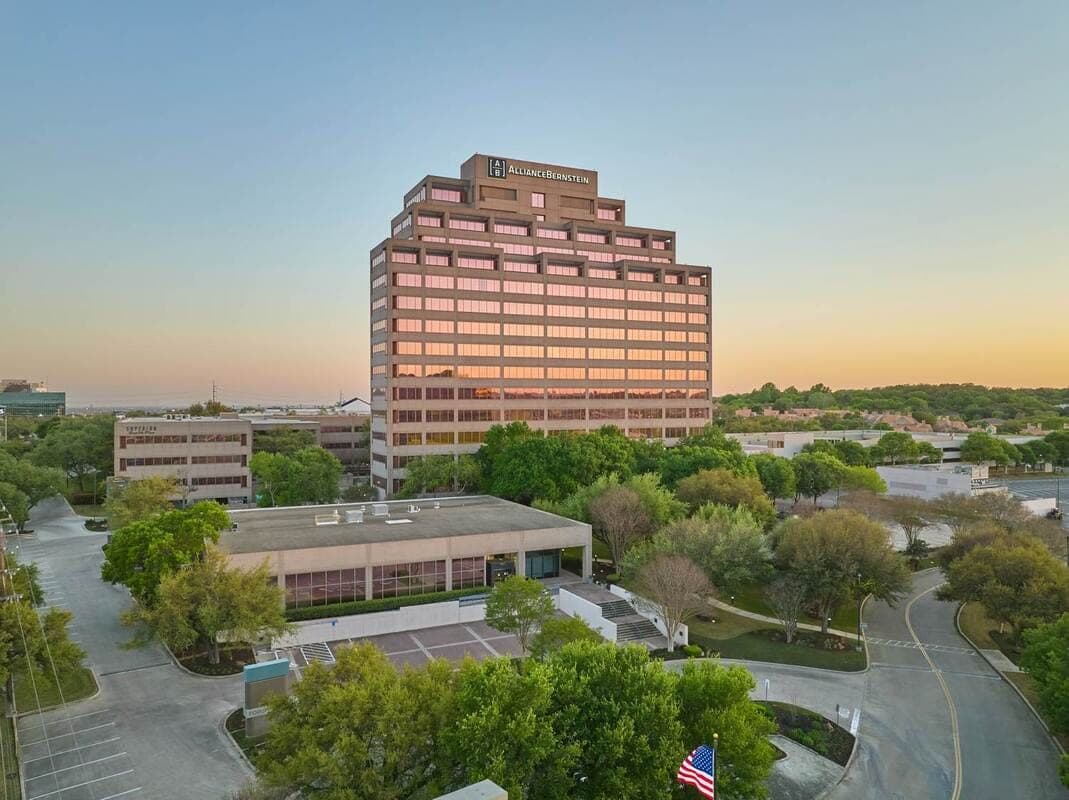
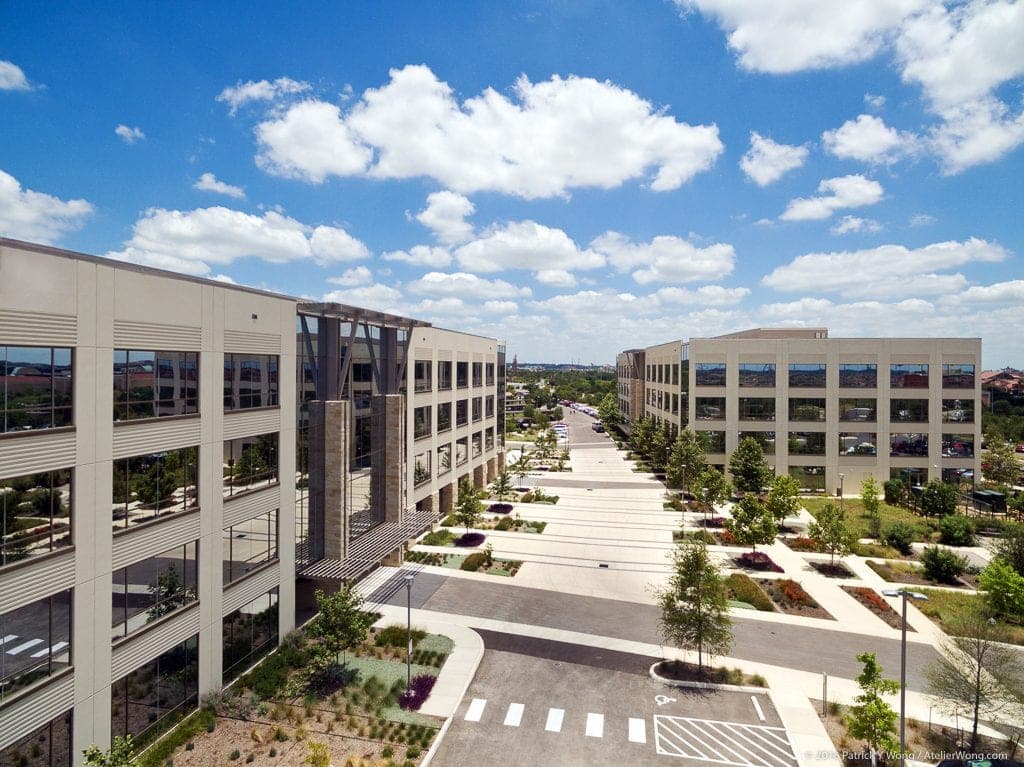
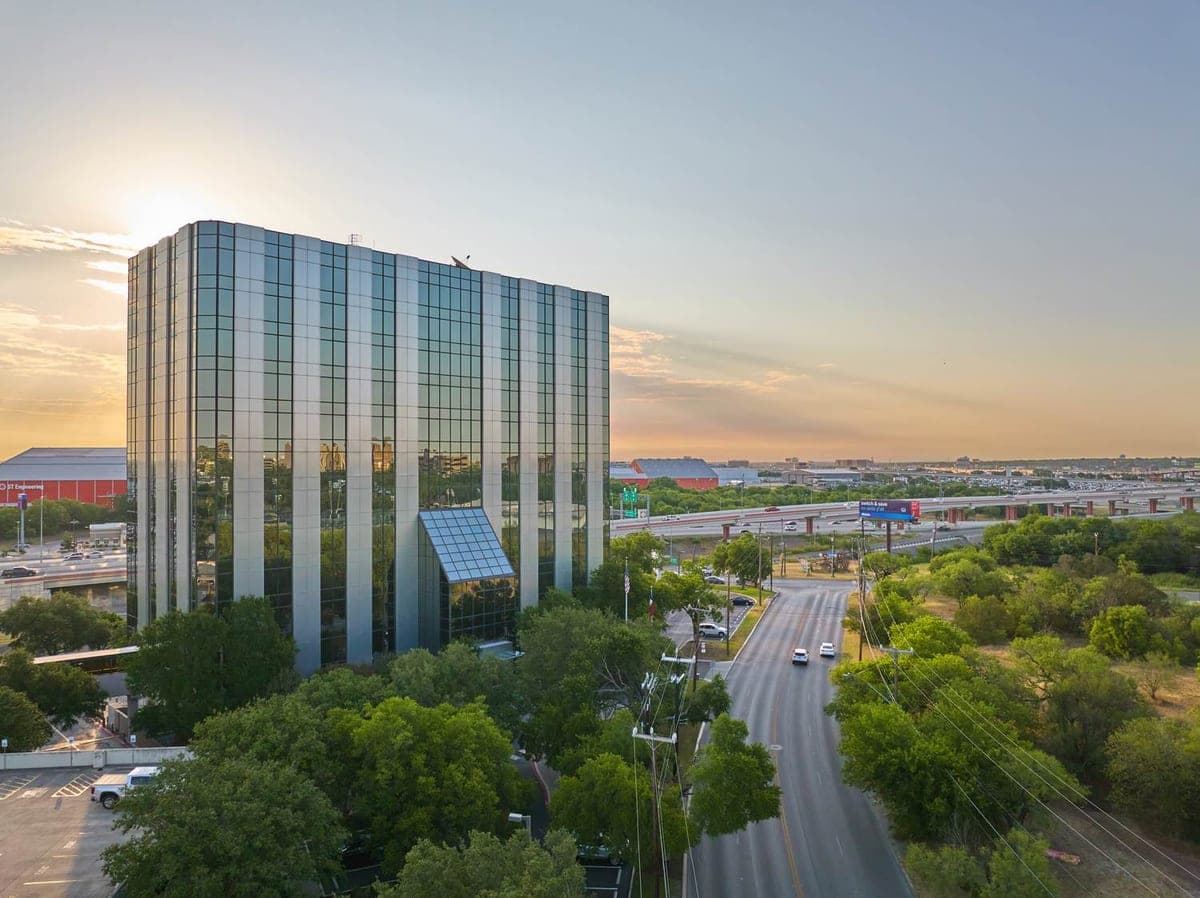
Raptor is live at Landmark One and Finesilver in San Antonio, with The Colonnade under contract and three more buildings on the way along the I-10 and 281 corridors.
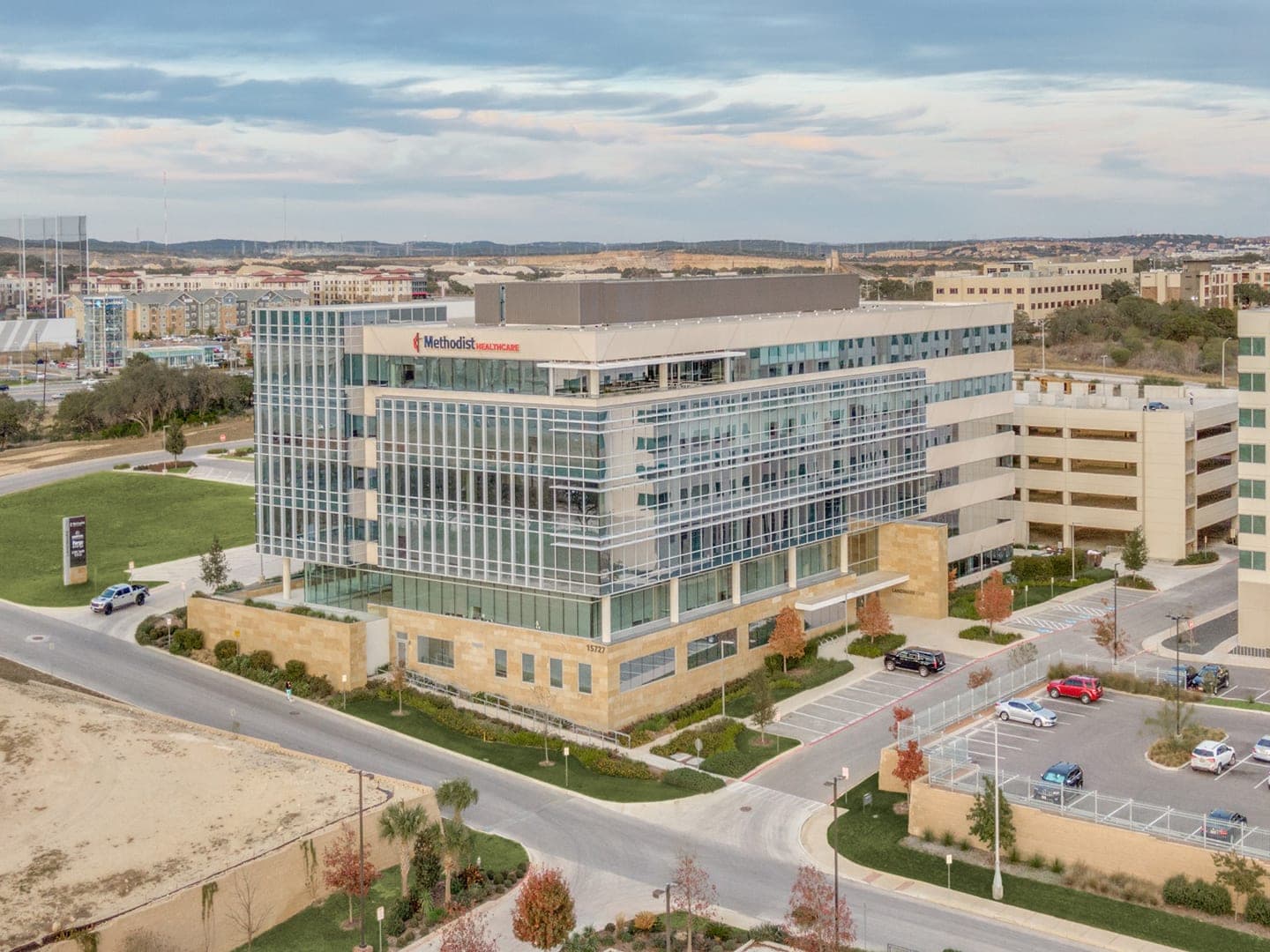 Live now
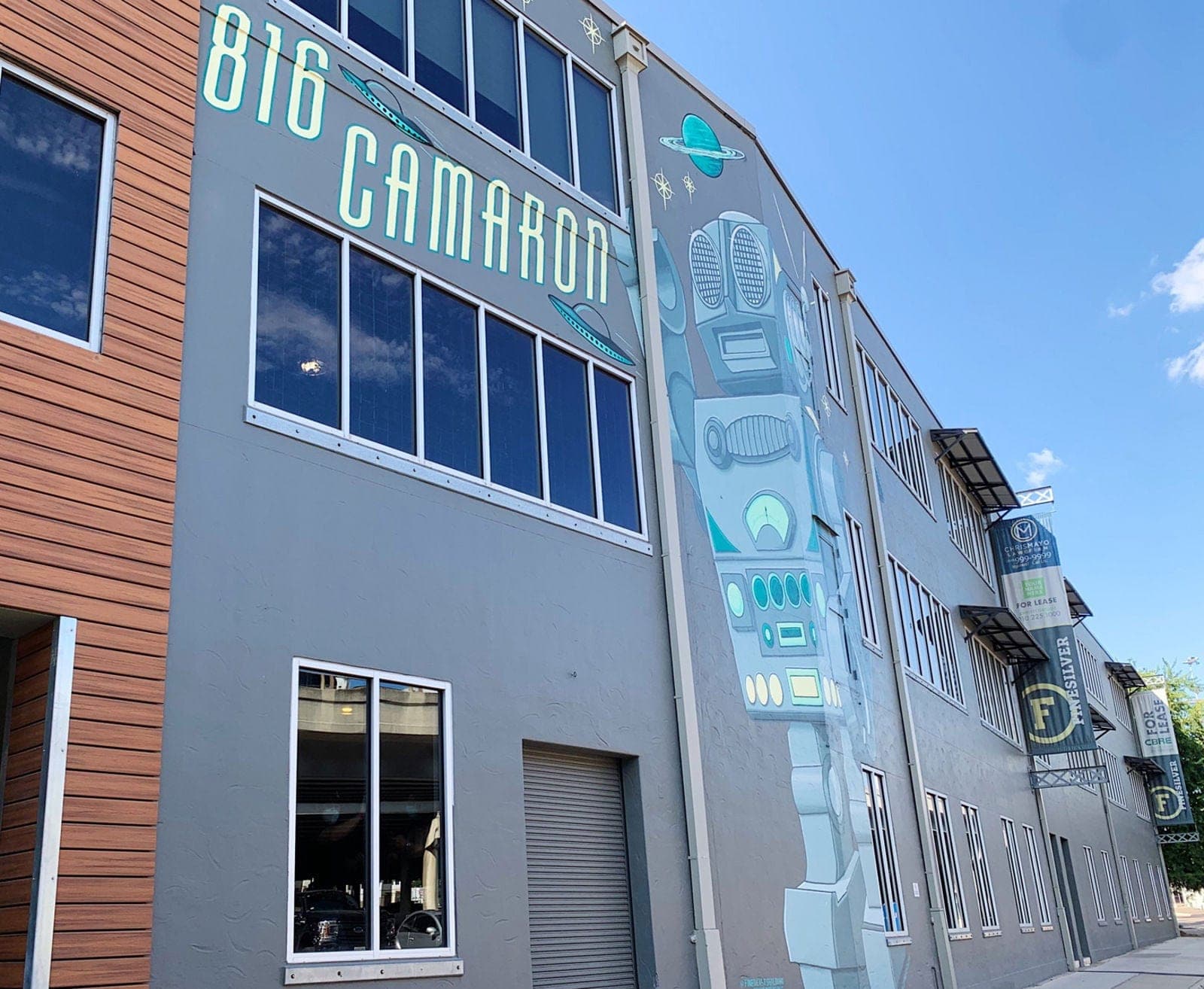 Live now
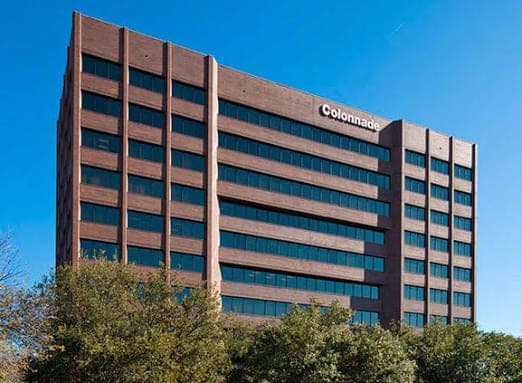 Under contract
 Coming
 Coming
 Coming
What is in the cabinet
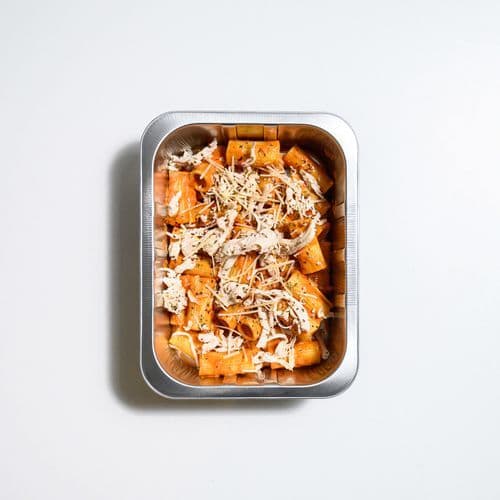
The entrées rotate, and they are cooked by Southerleigh Hospitality Group.
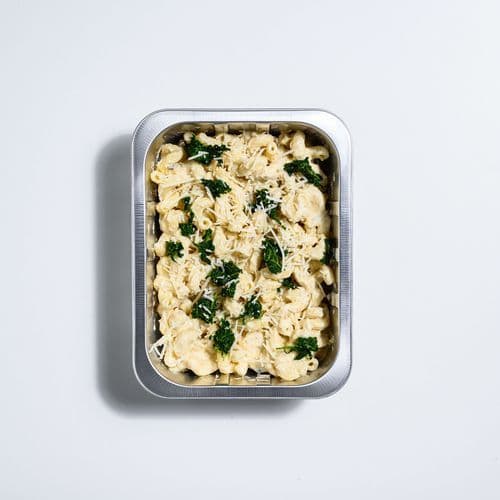
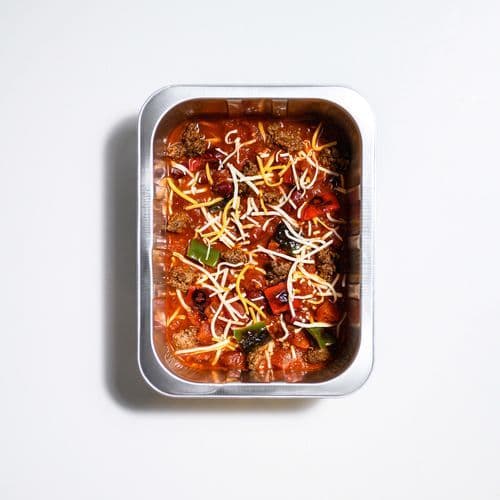
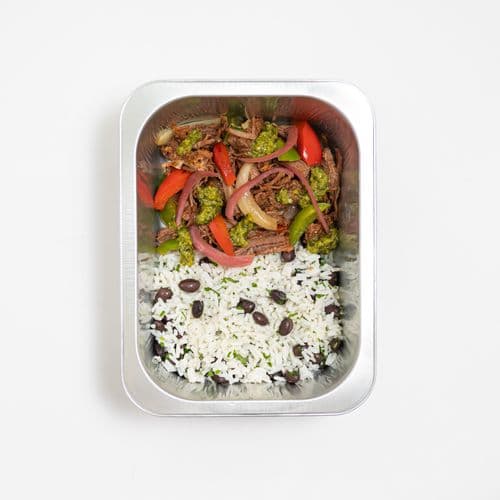
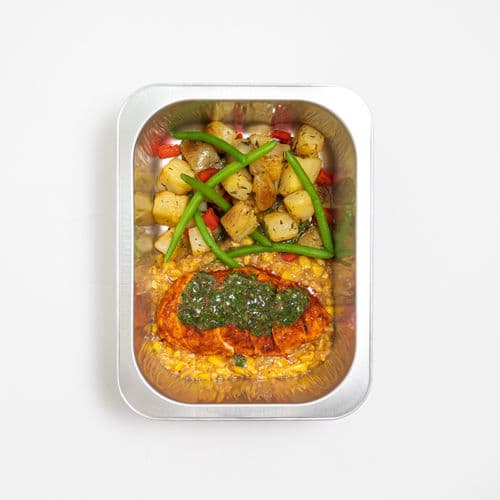
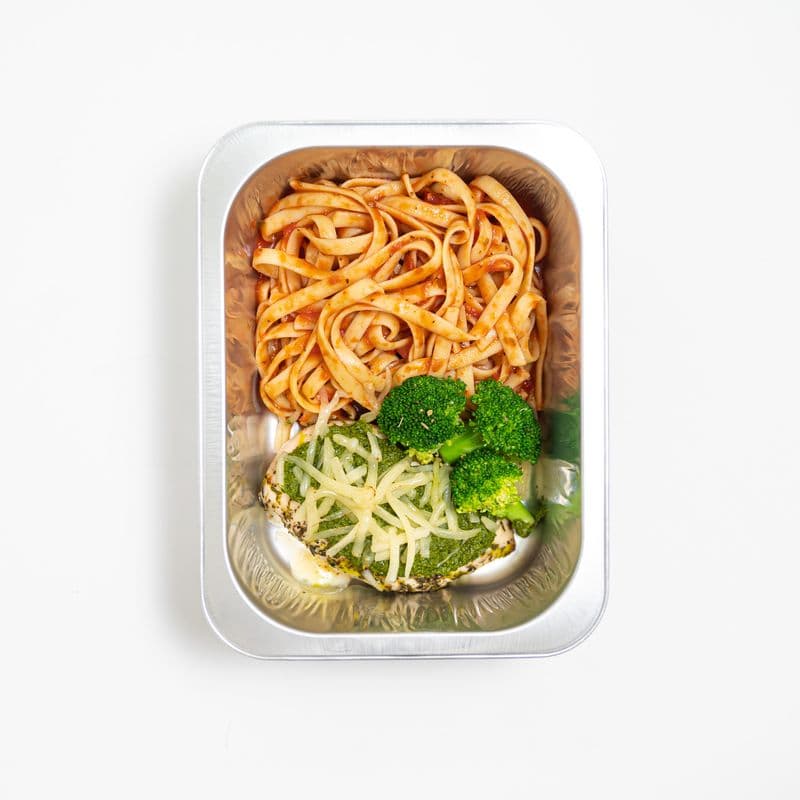
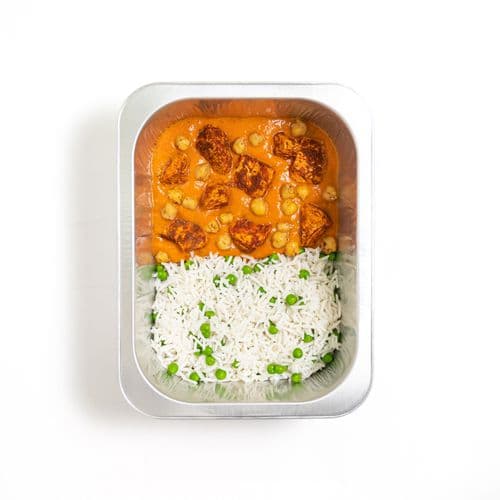
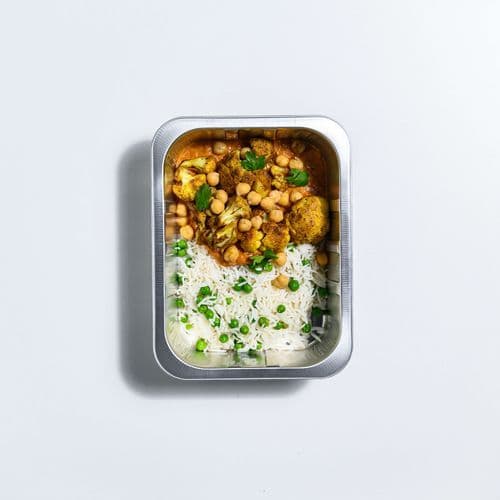
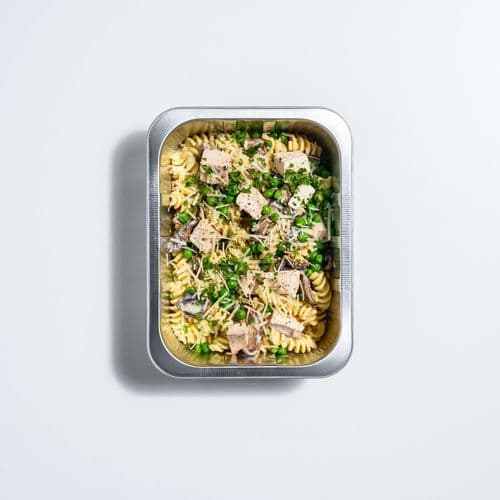
- Buffalo Style Chicken Mac & Cheese
- Butter Chicken
- Chicken Mushroom Alfredo
- Coconut Chicken Curry
- Korean Style Pork Noodles
- Linguine Marinara
- Moroccan Chickpea & Couscous Bowl
- Creamy Rigatoni with Pulled Chicken
- Rigatoni Bolognese
- Chicken Tikka Masala
- Jerk Chicken with Coconut Rice & Beans
- Teriyaki Chicken Noodles
- Chicken & Cheese Enchiladas
- Pulled Pork Burrito Bowl
- Pulled Pork Mac & Cheese
- Spaghetti & Meatballs
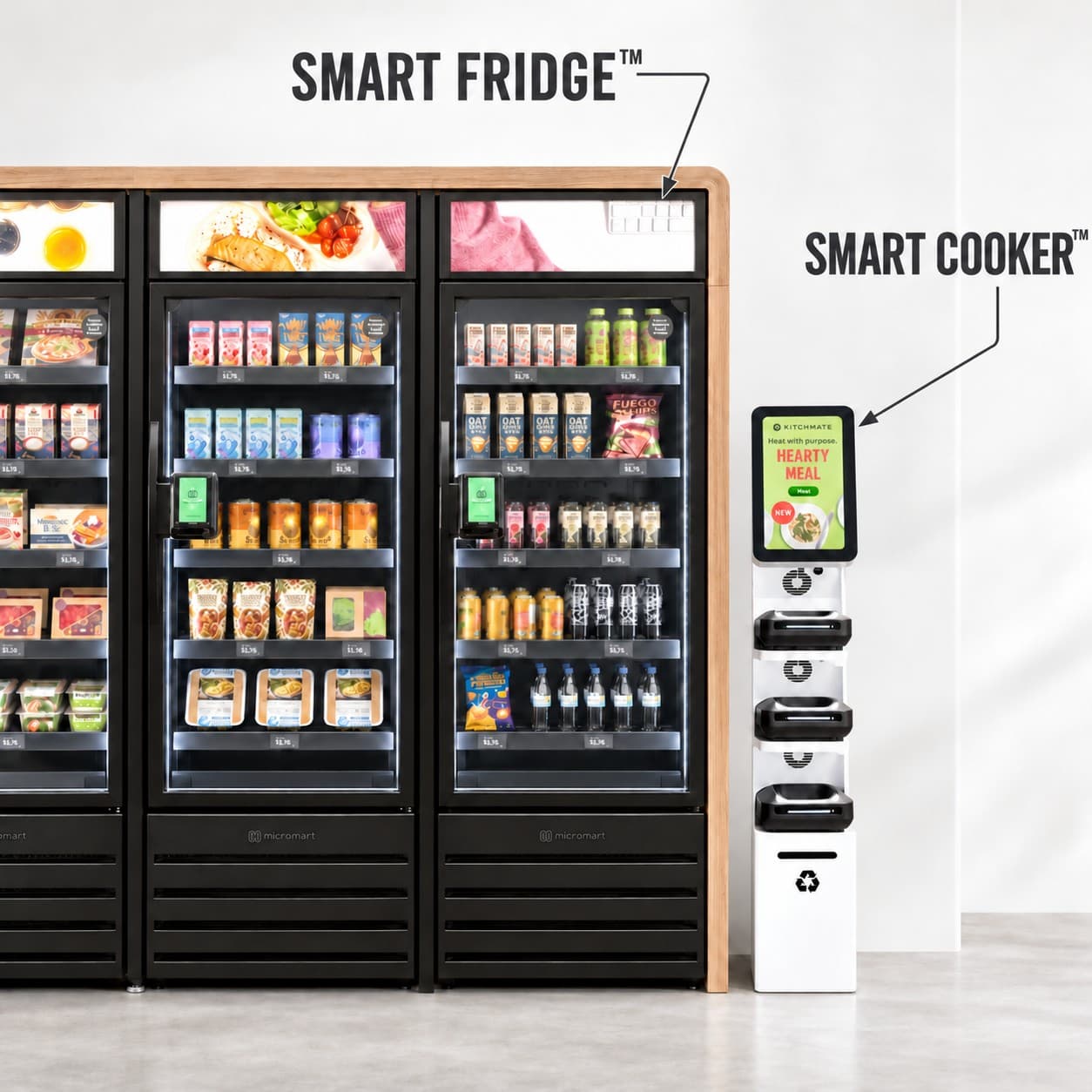
Introducing Texas’ First Smart Fridge™ + Smart Cooker™ Experience
We’re Not Just a Micromarket
Revolutionary Workplace Dining Infrastructure. First in Texas from Raptor Vending.
We’re proud to be the first company in Texas offering a fully integrated Smart Fridge™ + Smart Cooker™ system from Micromart, delivering fresh, chef-prepared meals and heating them perfectly, on demand.
We call it workplace dining infrastructure—permanent building systems that deliver chef-prepared meals at scale as reliably as your HVAC delivers climate control.
This isn’t vending as you know it. It’s a restaurant-quality experience in your office, powered by Southerleigh Hospitality Group, and ready in minutes.
No minimums. No theft. No fees. No reporting gaps. A marketing engine behind every cabinet.
No minimums
No revenue minimums, no guarantees and no fees. We never invoice the building for the program.
No theft
The door unlocks only after a card or phone tap. Computer vision tracks what leaves, and the charge matches what was taken.
No reporting gaps
A usage report for your building every month, without asking: transactions, popular items, usage patterns and restock performance.
A marketing engine
Raptor was founded by marketing people. We run every location like a campaign built to grow tenant adoption month over month.
Are you a commercial property manager?
Sign up for updates from Raptor Vending and get fresh ideas in your inbox!
Frequently Asked Questions
Fooda, Raptor and the options in between
Is there a Fooda alternative in San Antonio?
Yes. Raptor Vending is a San Antonio smart vending and micro market company, and it covers the same need from a different direction: local restaurant food served in the building, without a daily lunch event.
Meals come from Southerleigh Hospitality Group and sit sealed in a locked cabinet, so they are there at 7am and at 11pm rather than during a service window. There is no staff on site, no minimum and nothing for the property team to coordinate each morning.
What food service options exist for Class A office buildings in San Antonio?
Broadly five, and they ask the building for different things:
- A cafeteria. The most capability and the most commitment: a kitchen, staff and usually a subsidy.
- A daily popup or rotating restaurant programme, such as Fooda. A restaurant comes in and serves for a window each day.
- Food trucks. No build, but weather, parking and a schedule.
- Traditional vending or an open-shelf micro market. Always there, cold, and limited to packaged food.
- Smart vending with hot food, which is what Raptor installs: a locked cabinet of chef-made meals and a cooker beside it.
Which is right depends on headcount, hours and how much the property team wants to run. Vending and micro markets in San Antonio goes through the differences.
Does Raptor require a minimum spend from the building?
No. Raptor charges the building no placement fees and no minimums, and never invoices the building for the program. There is no minimum headcount and no guaranteed order volume.
The building pays for its own side of the install: a dedicated 30A, 120V circuit for the Smart Cooker™ and a network connection. Tenants pay for what they take, and a chef-made entrée is $12.50.
Does Raptor need staff in the building?
No. The cabinets run unattended, around the clock. Nobody sets up in the morning and nobody packs away.
Restocking is done by Raptor's own team on a schedule driven by what the cabinets report, and most faults are fixed remotely before anyone in the building notices. A tenant who needs to report something uses the code on the cabinet, which opens the help page with their building already filled in.
Can Raptor run alongside Fooda or a cafeteria?
Yes, and in buildings with an existing food service contract that is usually the point. A staffed programme serves a window in the middle of the day. Raptor covers the hours it does not: early mornings, evenings, weekends, night shifts, and the floors or satellite buildings a daily service does not reach.
The two are not competing for the same moment. One is a lunch event, the other is always on.
What does the building pay for?
Nothing to Raptor. No placement fees, no minimums, and the building is never invoiced for the program.
The building's own costs are the electrical and network work: a dedicated 30A, 120V circuit for the Smart Cooker™, and either WiFi or a hardwired Ethernet cable. One port is enough; Raptor splits it to the rest of the equipment. The Smart Fridge™ is plug and play on a regular 120V outlet and does not need a circuit of its own.
How are meals restocked and who cooks them?
Southerleigh Hospitality Group cooks them. Their restaurant, Southerleigh Fine Food & Brewery, has held a Michelin Bib Gourmand three years in a row. Meals are prepared in their kitchen, sealed, and delivered chilled.
Restocking is Raptor's, not the building's. Every cabinet reports what it holds, so restocking is scheduled against real consumption rather than a fixed route, and items past their freshness window cannot be sold.